

Written by John L. Eller on March 2, 2026
Common Furnace Repair Issues
GeneralWhen your furnace acts up in the cold months it can throw a household into immediate discomfort. Many problems that owners face are common and often traceable to a few parts or routine maintenance lapses. This article walks through the frequent causes, simple checks you can perform, and clear signs that a trained technician should handle the issue.
Read on to learn practical tips for saving money and preventing repeat breakdowns. I will use plain language, real examples, and clear steps so you can spot likely problems early and decide when to take action.
Common Furnace Repair Issues that Owners See Most Often
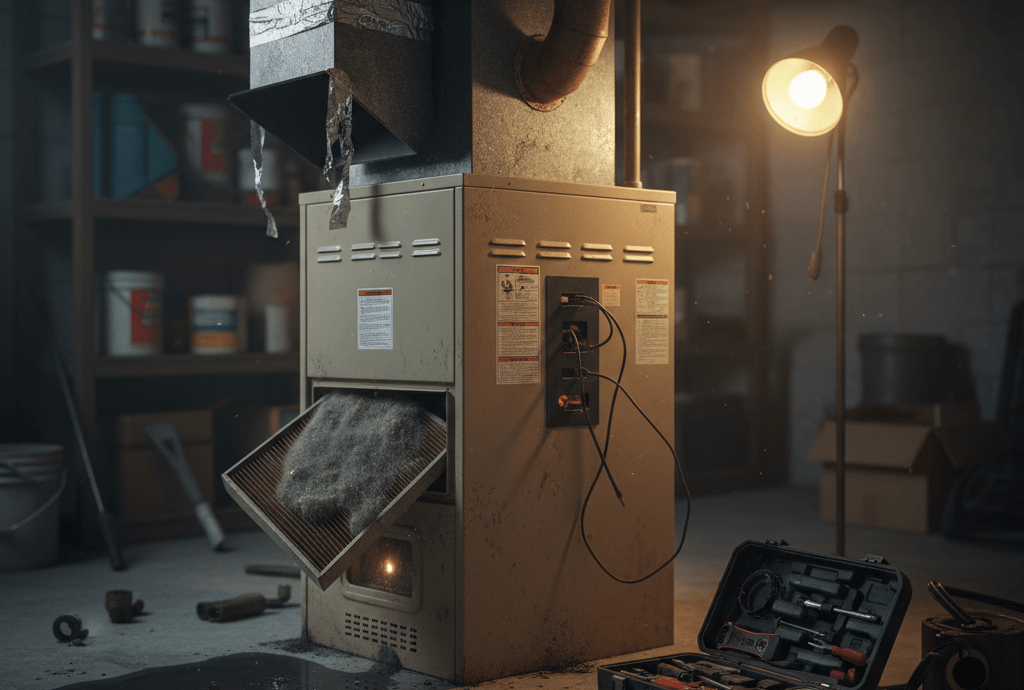
Many service calls cluster around a handful of recurring faults. Knowing these common furnace repair issues helps homeowners focus their inspections and conversations with a technician. Typical problems include: dirty air filters, thermostat faults, ignition failure, blower motor breakdowns, and restricted airflow. Each issue has its own set of symptoms and likely repair ranges.
For example a clogged filter can reduce system efficiency immediately and create overheating that trips safety switches. A faulty thermostat may make the furnace short cycle or not start at all. Identifying the symptom is the first step toward a practical solution.
Thermostat and Control Problems that Cause Erratic Operation
Thermostat malfunctions are often mistaken for furnace failure. Before calling for service try these checks. First confirm the thermostat is set to heat and that the setpoint is above room temperature. Replace batteries if the display is dim or blank. If you have a programmable thermostat check the schedule settings and any lockout features.
- If the display shows an error code consult the thermostat manual.
- For older mechanical thermostats gently tap the housing while watching for furnace response.
- Smart thermostats may need a power cycle after a power outage.
If wiring issues are suspected look for loose wires at the thermostat and at the furnace control board. Turn power off first for safety. When control board faults appear as repeated error lights or no ignition response a service call is the safer choice.
Ignition and Pilot Problems that Prevent Startup
Ignition issues are a common reason a furnace will not light. Older systems may have a standing pilot light while modern units use electronic ignition. Each type has distinct failure modes.
Standing pilot versus electronic ignition
Standing pilots can go out due to drafts or a weak thermocouple that fails to sense the flame. The fix may be as simple as relighting the pilot and replacing the thermocouple if it does not hold flame. Electronic ignition systems rely on a spark module or hot surface igniter. These parts wear out over time and may fail without visible signs.
Troubleshooting ignition failures
When a furnace tries to start but stops after a few attempts check for error codes on the control board and listen for the clicking of the ignitor or the spark. A weak spark or no spark points to ignition components or to control board signals. Replace the ignitor if it is cracked or glazed. If you see black soot around burners that indicates incomplete combustion which needs professional attention.
Airflow and Blower Issues that Reduce Heat Delivery
Poor airflow makes a furnace appear weak even when the burner runs fine. The blower fan, belt, motor capacitor, filter, and ductwork are common culprits. A restricted return or a blocked vent can reduce delivery dramatically.
- Start with the air filter. Replace inexpensive filters every one to three months depending on use and pets.
- Check vents and returns for obstructions such as furniture or curtains.
- Listen for grinding or squealing which may indicate a worn blower motor bearing or belt.
Capacitor failures are a frequent cause of blower motor startup problems. Symptoms include slow spin on start or a hum with no blade movement. Capacitors are not recommended for DIY replacement unless you are comfortable discharging the part safely.
Strange Noises and Mechanical Failures that Signal Wear
Noises are like early warning lights. They give clues about what part of the furnace needs attention. Recognizing the type of noise helps prioritize repairs.
Squeals and rattles explained
A high pitched squeal often comes from worn fan belts when present, or from bearings in the blower motor. A rattle suggests loose panels, broken mounting brackets, or items in the combustion chamber. A bang on startup is usually caused by delayed ignition where gas accumulates briefly before firing. That condition raises safety concerns and should be addressed quickly.
When vibrations point to deeper trouble
Excess vibration can loosen duct connections and degrade heat exchanger mounts over time. If you notice increasing vibration along with reduced heat output have the unit inspected. A cracked heat exchanger may cause leaks of combustion gases which is a critical safety issue.
Safety Concerns and Carbon Monoxide Risks that Demand Attention
Fuel burning furnaces produce combustion gases that include carbon monoxide. Proper venting, a sealed combustion chamber where applicable, and intact heat exchangers are essential for safe operation. Symptoms of a venting or heat exchanger problem include soot marks, condensation in the flue, and occupants feeling lightheaded or nauseous when the system runs.
- Install a carbon monoxide detector on each level of the home with sleeping areas.
- If a detector alarms evacuate and call emergency services if multiple people report symptoms.
- Do not run the furnace until a qualified technician inspects the system.
Regular inspections of the heat exchanger and flue connections reduce the risk of leaks. If you smell gas leave the property and contact the gas company immediately.
Routine Maintenance Steps that Prevent Frequent Repairs
Simple preventive work reduces the chance of emergency repairs and extends equipment life. Create a checklist and follow it before the heating season and midway through heavy use periods. Typical maintenance tasks include filter replacement, burner cleaning, checking thermostat calibration, lubricating fan bearings if applicable, and clearing the condensate drain on high efficiency furnaces.
- Replace or clean filters monthly to three monthly depending on load factors.
- Keep the area around the furnace clear to allow airflow and access.
- Schedule an annual inspection with a service technician to check combustion efficiency and safety controls.
Documenting dates of repairs and part replacements helps with future diagnostics. For instance after replacing a capacitor note the brand and part number so repeated failures can be spotted and addressed differently.
Repair Cost Ranges and Decision Points on Replacement
When deciding whether to repair or replace a furnace consider age efficiency and repair history. Typical repair costs vary widely. A simple thermostat replacement or filter change can be under one hundred dollars. Ignitor or control board repairs may range from one hundred fifty to six hundred dollars depending on labor and part cost. Major items like a blower motor or heat exchanger can exceed one thousand dollars.
Furnaces over fifteen to twenty years old with multiple major repairs usually make replacement the more economical choice. New units operate with improved efficiency and may reduce monthly fuel cost enough to offset installation over time. Ask the technician for a clear breakdown of repair cost and an estimate for replacement so you can make an informed choice.
When to Call a Technician and What to Ask for During Service
Call a technician if the furnace will not start, shuts down repeatedly, emits unusual smells or sounds, or if a carbon monoxide detector trips. Also call for persistent short cycling or if safety switch lights remain on. When you arrange service request a clear explanation of the diagnosis, a list of parts to be replaced, and an itemized price estimate. Ask for a copy of any error codes and recommendations for follow up.
For scheduled checks request a safety inspection, combustion analysis if available, and a confirmation that vents and returns are clear. If you prefer local help search for companies with positive reviews and a visible service history. For an option that includes emergency response and routine maintenance check this resource for professional options and contact details for local furnace care furnace repair and service
Common furnace repair issues are manageable when you know what to look for and when to involve a trained technician. Regular maintenance, timely filter changes, attention to thermostat behavior, and responding to unusual sounds will reduce emergency calls and extend the life of your system. If you are weighing repair versus replacement gather clear cost estimates and consider system age and efficiency ratings.
Take action now by checking your filter and thermostat as a first step. If you find anything out of the ordinary schedule a service visit and ask for an inspection that includes safety checks and combustion analysis. Quick response to the warning signs described here keeps your home safe and warm and can save you time and money over the coming seasons.
Advertisement

Advertisement

Sponsor