

Written by John L. Eller on August 1, 2026
Prioritize Senior Athlete Safety with Essential Gear
GeneralAs an expert in maintaining an active lifestyle, I have seen a wonderful trend emerge. More and more senior adults are embracing their athletic potential. They are not just staying active; they are competing, training, and pushing their limits in various sports. This commitment to fitness is truly inspiring for everyone.
However, with increased activity comes an increased need for careful planning and protective measures. Our bodies change with age and require different considerations. We must focus on safeguarding against injuries so that these dedicated athletes can continue pursuing their passions for years to come.
My goal is to share practical advice on how to prioritize senior athlete safety with essential gear. This includes everything from head protection to supportive footwear and recovery tools. By making smart choices about equipment, senior athletes can enjoy their activities with greater confidence and reduced risk.
Understanding the Unique Needs of Senior Athletes
The aging body experiences several physiological changes that impact athletic performance and safety. Muscles can lose some mass and strength, and bone density might decrease. Joint cartilage may also thin over time. These changes mean that senior athletes are more susceptible to certain types of injuries. They need to approach their training and gear selection with a thoughtful strategy.
I always emphasize that age is just a number, but understanding these biological realities helps us train smarter. We can mitigate risks and enhance performance by acknowledging these shifts. It is about working with our bodies, not against them, and providing the support they need.
Proper gear acts as a crucial first line of defense. It helps compensate for some of these age-related changes. Choosing equipment designed to offer extra cushioning, stability, or support can make a significant difference. It allows for safer participation in beloved activities.
Joint Protection and Stability
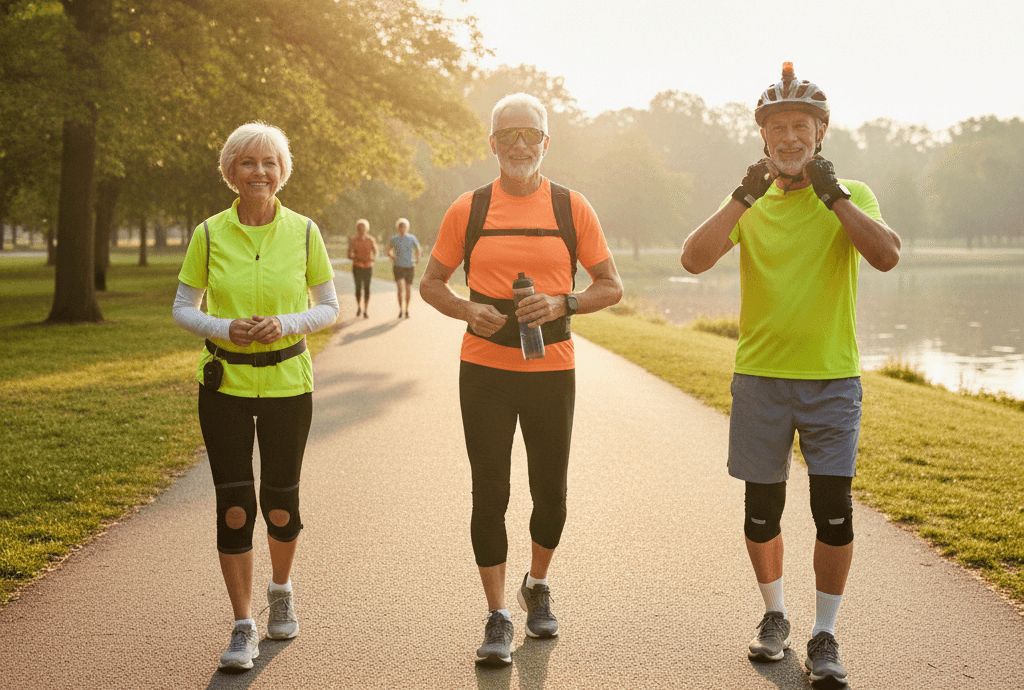
One of the primary concerns for senior athletes is joint health. Knees, hips, and shoulders often bear the brunt of athletic stress. Protective gear like knee sleeves, ankle braces, or supportive compression wear can provide vital stability. They help reduce impact and support weakened ligaments or tendons. I recommend consulting with a physical therapist to identify specific areas needing extra support. This ensures you choose the right type of brace or sleeve.
Many sports involve repetitive movements that can strain joints over time. For example, a runner might benefit from specialized insoles or shoes with enhanced shock absorption. A tennis player could find relief and improved performance with elbow or wrist support. These items are not just for recovery; they are proactive tools for prevention. They help keep you in the game longer.
Balance and Fall Prevention
Maintaining balance is another key area. Falls can have more serious consequences for senior athletes. Footwear with excellent grip and stability is fundamental. I also suggest using walking poles for hiking or trail running, as they offer additional points of contact with the ground. This improves stability, especially on uneven terrain.
Beyond footwear, considering the environment is important. Training on well-maintained surfaces and avoiding overly challenging routes initially can help. As confidence and strength grow, athletes can gradually increase their challenge. The right gear helps provide that foundational sense of security from the ground up. This layered approach to safety builds greater resilience. I believe this thoughtful preparation is key for sustained activity.
Essential Protective Gear for Impact Sports
Engaging in impact sports requires a higher level of protection, especially for senior athletes. Whether it is cycling, running, or even participating in organized team sports, the potential for falls or collisions means that specific gear choices are non-negotiable. I have seen many situations where a piece of gear, seemingly small, prevented a major injury.
I always advise athletes to think about the worst-case scenario for their sport. Then they should equip themselves to minimize the damage if that scenario occurs. This proactive mindset protects the body and allows athletes to push their limits with greater peace of mind. It is about smart preparation, not fear.
Selecting the right gear is an investment in longevity. High-quality protective equipment might seem like an expense, but it is far less costly than a serious injury and the associated recovery time. It helps ensure consistent participation and enjoyment of their chosen sport.
Head Protection
Head injuries are a serious concern in many sports. Helmets are absolutely essential for cycling, skateboarding, and even some team sports. Modern helmets are lightweight, comfortable, and offer excellent ventilation. They come in various styles to suit different activities. It is important to ensure a proper fit. A poorly fitting helmet provides inadequate protection.
I recommend replacing helmets after any significant impact or every few years. Materials degrade over time, and subtle cracks might not be visible. Safety standards for helmets are constantly improving. Upgrading to newer models often means better protection. This simple step can safeguard against life-altering injuries.
Joint Supports and Padding
For sports with higher impact potential, like certain types of skiing, basketball, or even rigorous trail running, additional joint padding and supports are vital. Knee pads, elbow pads, and shin guards protect vulnerable areas from direct impact. They also offer compression benefits. Compression can help reduce muscle vibration and improve blood flow. These items are often overlooked but can prevent scrapes, bruises, and even fractures.
I have observed that many senior athletes initially resist using such gear, feeling it makes them look less “athletic.” But I remind them that true athleticism includes self-care and smart prevention. Professional athletes use protective gear daily. It is a sign of experience and intelligence to use what works to stay safe and perform at your best. This approach helps support senior athlete safety effectively.
Footwear Considerations for Stability and Support
Proper footwear is arguably the most critical piece of equipment for any athlete, regardless of age. For senior athletes, its importance is amplified due to potential changes in foot structure, balance, and joint resilience. The right shoes can prevent falls, reduce strain on joints, and improve overall comfort and performance.
I always advise senior athletes to invest in high-quality, sport-specific footwear. Cheap or worn-out shoes are a false economy. They can lead to injuries that are far more expensive and time-consuming to heal. Your feet are your foundation for almost every athletic endeavor, so they deserve the best support available.
Many shoe stores offer gait analysis services. This helps determine your foot type and running or walking mechanics. This information is invaluable for selecting shoes that provide optimal support and cushioning for your unique needs. Do not underestimate the power of a good pair of shoes.
Activity-Specific Footwear
Different activities demand different shoe designs. A running shoe is engineered for forward motion and shock absorption. A court shoe, used for tennis or basketball, offers lateral stability for quick side-to-side movements. Hiking boots provide ankle support and grip on uneven terrain. Using the correct type of shoe for your chosen sport reduces the risk of sprains and strains. It also enhances performance because the shoe is designed for those specific demands.
I often see athletes wearing cross-trainers for every activity. While versatile, cross-trainers are rarely optimal for high-intensity or sport-specific movements. For senior athletes, who may have less compensatory strength in their ankles or knees, this specialization in footwear is even more important. It ensures that the foot and ankle receive tailored support for the movements involved.
Insoles and Arch Support
Many senior athletes find added benefit from custom or over-the-counter insoles. These can provide additional arch support, cushioning, or stability. They correct pronation or supination issues. If you have flat feet or high arches, standard shoe insoles might not provide enough support. This can lead to discomfort or injury.
Consulting with a podiatrist or a specialized running store can help you choose the right insoles. They can custom-mold orthotics to fit your feet perfectly. This personalized support can significantly improve comfort. It also helps align your body mechanics to reduce stress on knees, hips, and back during activity. It is a small addition that can make a big difference in preventing aches and pains.
Apparel and Visibility for Outdoor Activities
When senior athletes venture outdoors for their chosen activities, their clothing choices become more than just a matter of comfort. They are a critical component of safety. The right apparel can protect against environmental elements, regulate body temperature, and significantly enhance visibility, especially in low-light conditions. I have seen how poorly chosen attire can quickly turn an enjoyable outing into a risky situation.
I always emphasize that dressing smart means dressing for success in outdoor sports. It is not just about looking good. It is about being seen and being protected from the elements. This planning becomes even more vital as we age, because our bodies might be less adaptable to extreme temperatures or sudden weather changes.
Thinking about layers, fabric types, and reflective elements before heading out is a habit all senior athletes should cultivate. These seemingly small details contribute significantly to a safer and more enjoyable experience for everyone involved.
Moisture-Wicking and Temperature Regulation
Wearing clothing made from moisture-wicking fabrics is essential. These materials draw sweat away from the skin, keeping you dry and comfortable. Cotton, while seemingly comfortable, absorbs moisture and stays wet. This can lead to chafing, discomfort, and in colder weather, a dangerous drop in body temperature. Senior athletes need to maintain a stable core temperature to prevent issues like hypothermia or heatstroke.
Layering is also a smart strategy. A base layer of moisture-wicking fabric, a middle insulating layer, and an outer protective shell allow you to adapt to changing weather conditions. This flexibility ensures you stay warm enough without overheating. It is about being prepared for whatever the weather throws at you, which is a key part of staying safe.
High-Visibility Clothing
For outdoor activities like cycling, running, or walking, especially near roads or in wooded areas, high-visibility clothing is indispensable. Bright colors like neon yellow, orange, or green make you much more noticeable to drivers, cyclists, and other pedestrians. Reflective strips or patches are also important for activities during dusk, dawn, or nighttime.
I have personally witnessed how quickly a driver can miss a pedestrian or cyclist in low light. So, I insist on maximum visibility. Some gear, like reflective vests or armbands, can be added to any outfit. These small additions drastically reduce the risk of accidents. Safety should always come first, and being seen is a major part of that. It is an easy way to protect yourself and ensure your presence is known.
Incorporating Recovery and Injury Prevention Tools
Being an athlete is not just about the training or the competition. It is equally about what happens before and after. Recovery and injury prevention are critical for all athletes, and for senior athletes, they become even more paramount. Our bodies take longer to bounce back as we age. We need tools that aid this process and help keep us performing without pain.
I believe that thinking of recovery gear as an extension of your training regimen is vital. It is not an afterthought; it is an integral part of staying active and healthy. Investing in these tools is investing in the longevity of your athletic career. They help mitigate the wear and tear of physical activity.
These tools range from simple items that improve blood flow to more specialized equipment for muscle relief. Each plays a role in keeping the body supple, strong, and ready for the next challenge. We want to avoid injuries, so recovery tools are a valuable part of our strategy.
Compression Wear
Compression socks, sleeves, and apparel can be incredibly beneficial for senior athletes. They are designed to improve blood circulation, reduce muscle soreness, and prevent swelling after strenuous activity. I find that many athletes report feeling fresher and recovering faster when they consistently use compression wear. It helps stabilize muscles during activity. This can reduce vibration and minimize micro-trauma.
For long runs or hikes, compression socks can also help prevent deep vein thrombosis. This is a concern for some individuals. The benefits are clear, and the comfort of well-fitted compression gear is often surprising. It is a simple way to give your muscles and circulatory system a helping hand in recovery.
Foam Rollers and Massage Tools
Self-massage tools like foam rollers, massage balls, and percussive therapy devices are excellent for maintaining muscle flexibility and addressing tight spots. Regular use can help break up muscle adhesions, improve range of motion, and alleviate common aches and pains. I often recommend incorporating these into a daily routine, even for just a few minutes.
This self-care practice can prevent minor stiffness from escalating into more serious injuries. It is a way to actively listen to your body and give it the attention it needs. Keeping muscles pliable and free of knots is fundamental for injury prevention and smooth movement. These tools empower you to take recovery into your own hands.
Beyond Gear: Training and Preparation for Longevity
While essential gear plays a critical role in senior athlete safety, it is just one piece of a larger puzzle. A holistic approach to health and fitness ensures that athletes can thrive for years. I always tell people that gear can protect you from external forces, but your internal preparation is what truly sustains you. It builds resilience and adaptability.
I focus on integrating smart training practices with proper equipment choices. This combination creates the strongest foundation for long-term athletic engagement. It is about listening to your body, understanding its signals, and making informed decisions about your physical activity.
Working with professionals like certified trainers or sports doctors can provide tailored guidance. They help you develop a plan that considers your individual health profile and athletic goals. This personalized approach is invaluable for continued success and well-being.
For example, proper warm-ups and cool-downs are not optional; they are mandatory. They prepare your muscles for activity and help them recover afterward. Strength training is also vital for maintaining muscle mass and supporting joints. Balance exercises improve proprioception, which is your body’s sense of its position in space, and this directly aids in fall prevention.
Empowering a Safe and Active Senior Athletic Life
Prioritizing senior athlete safety with essential gear is not just about wearing a helmet or a brace. It is about embracing a mindset that values well-being and longevity in sport. I have always believed that every senior athlete deserves to pursue their passions without unnecessary risk. We achieve this by making informed choices about the equipment we use.
We have discussed the unique needs of senior athletes. We covered how proper gear can protect joints and enhance balance. We looked at specialized equipment for impact sports and the crucial role of appropriate footwear. We also explored how visibility and temperature-regulating apparel ensure safety in outdoor environments. Finally, we touched on the importance of recovery tools and smart training practices for sustained health. Each piece of gear and every informed decision contributes to a safer, more fulfilling athletic journey. Do not let minor setbacks or perceived limitations keep you from enjoying the sports you love. Explore the essential gear that supports your athletic goals. Equip yourself wisely and confidently continue your active lifestyle for many years ahead. Your dedication to fitness is an inspiration, so give your body the protection it deserves.
Advertisement

Advertisement

Sponsor